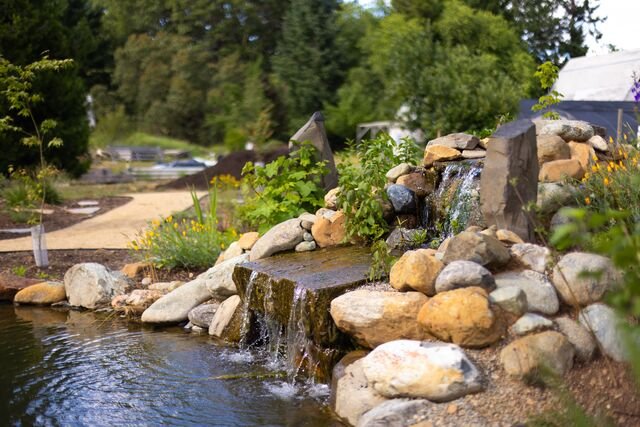
Land-Based Resiliency Course
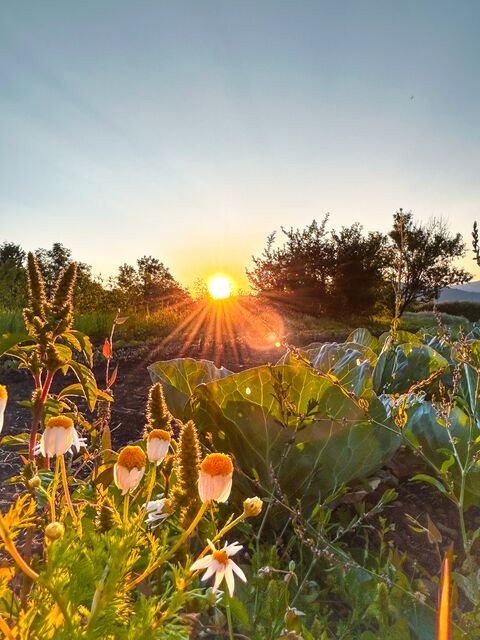
The Land-Based Resiliency Course is a program in which we will contemplate the human-nature relationship and how we can continue to build a sustainable future alongside our environment. Participants will learn how to grow their own food and herbs amidst a supportive community. Together, we will also learn how to craft meals and medicines to support health and well-being.
Are you ready to embark on a journey of interdependence through the creation of a nurturing haven? Whether you are an individual seeking a more self-supporting lifestyle, an aspiring land steward hoping to learn the essentials of home management, or a gardener, food enthusiast, and nature lover interested in enhancing your knowledge and skills, we bid you to engage in age-old practices that restore harmonious connection with the earth, and in doing so:
Acquire traditional and modern skills and crafts
Cultivate an abundance mindset
Build community
Embody resiliency
Our vision is to approach gardening and land-based lifestyles as ceremony and celebration. Join us in weaving appreciation and wonder into the way we tend the land, grow food, and eat—while exploring the importance of sharing resources and exchanging knowledge.
Program Dates
We offer one 2-week land-based resiliency course per year.
When: July 7—19, 2024
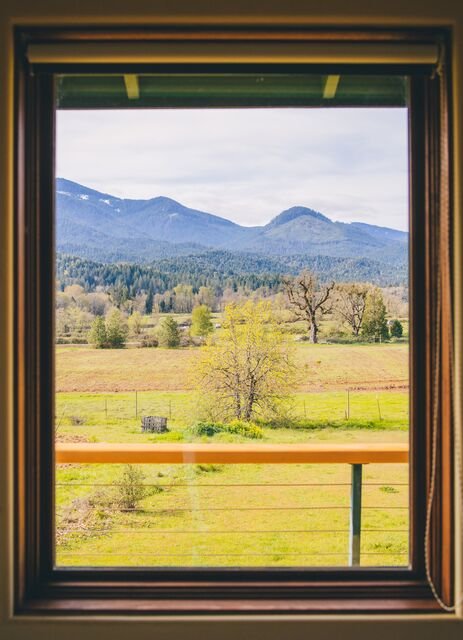
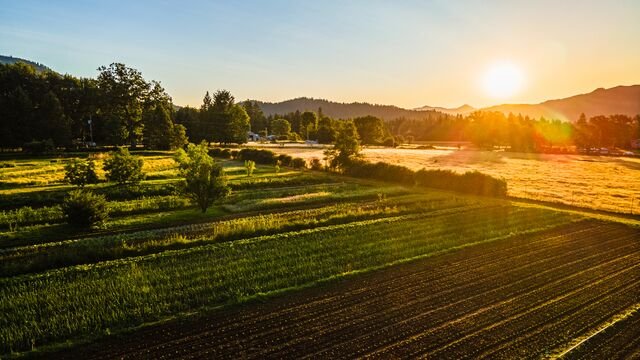
Where: Banyan Farm in Williams, Oregon
Core Themes
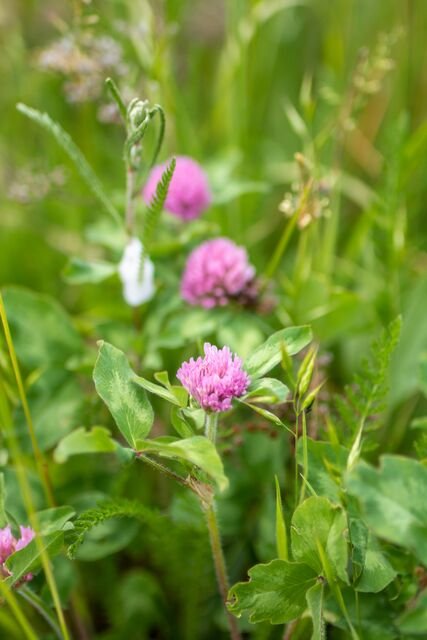
Plant Recognition
We will be guided in identifying the patterns of plant families, which is useful in appreciating the many benefits of a particular plant.
Eating Botanically
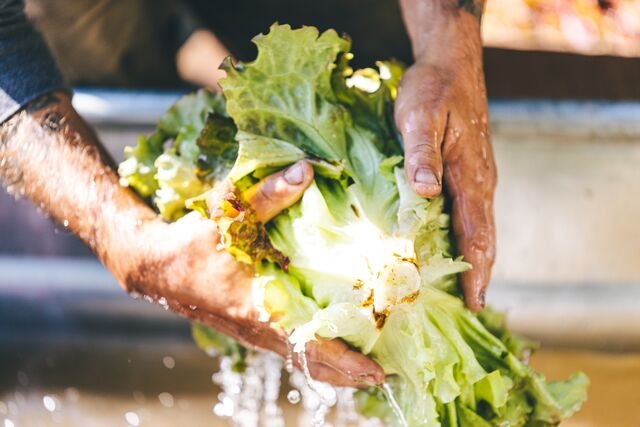
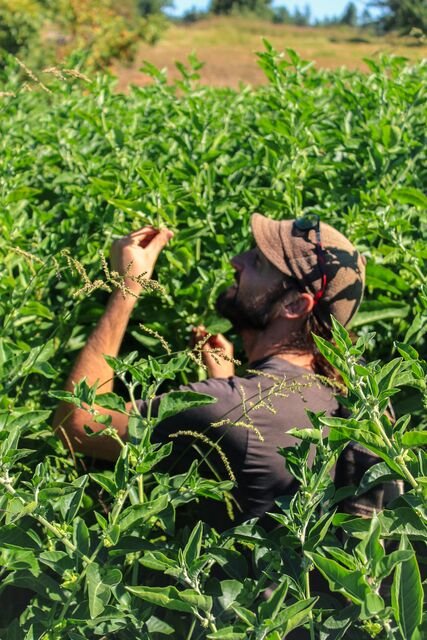
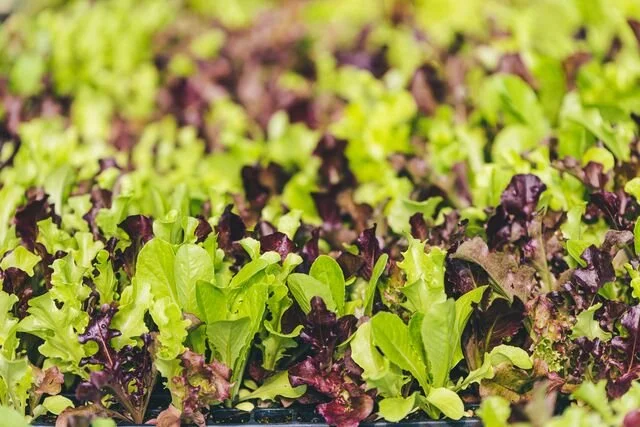
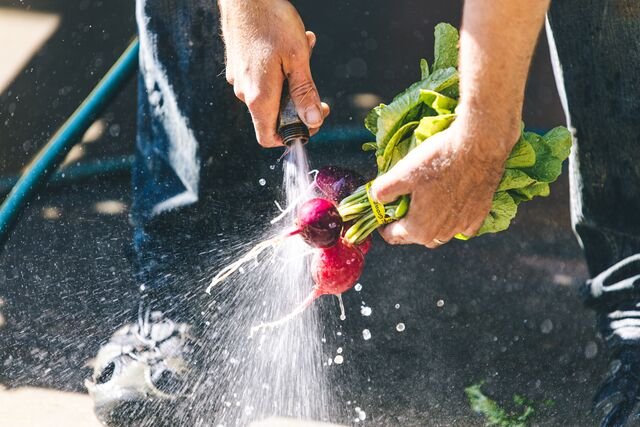
We will understand the foods we eat in relation to their plant life cycle. Class will involve meeting plants, harvesting them, and bringing them into the kitchen to prepare into a nourishing meal.
Garden Planning 101
We will learn strategies to maintain a constant supply of food in the garden.
Land Tending Practices and Farm Theory
We will explore the theory and practice of Biodynamic Farming, Korean Natural Farming, Agroforestry, and Regenerative Farming. We will discuss how they can all be incorporated into a home garden and small-scale farm to support the health of the farm ecosystem and produce nourishing foods and medicines. Practices and preparations will be woven throughout discussions so you are able to take these skills back home and implement them.
Journey from Seed to Seed in 1 Day
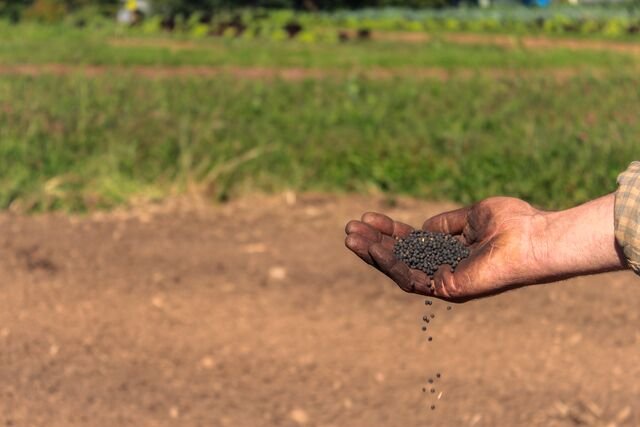
We will observe all aspects of growing from sowing a seed to harvesting and processing the seed, as well as harvesting for food and medicine.
Herbal Medicine Making
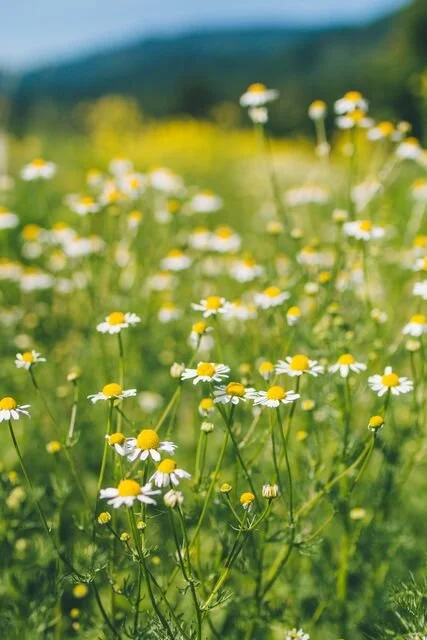
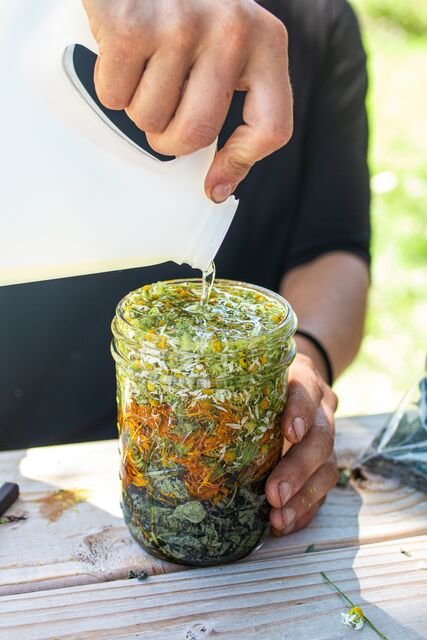
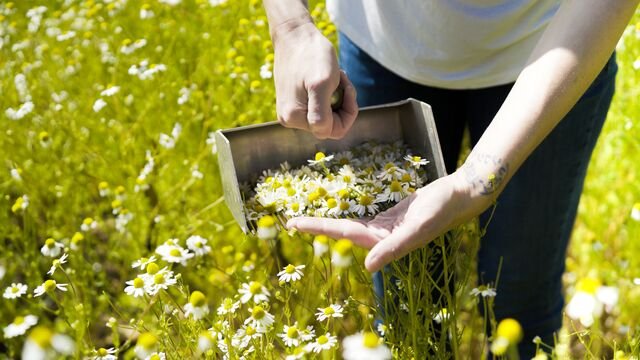
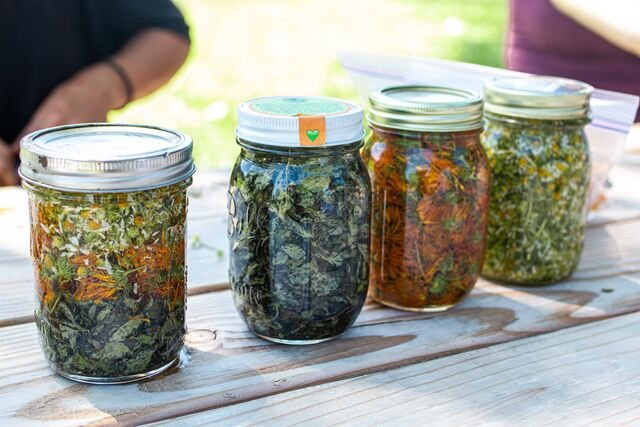
We will learn how to make a variety of herbal medicines using plants that are cultivated on the farm as well as plants growing wild. Examples include herbal honey, herbal oils, herbal ghees, and more.
Phenology
We will notice how the natural world provides us with cues as to how to tend to the garden. Beginning with a guided approach to observing natural phenomena on the land (birds, trees, insects, weather patterns, etc.), we will weave in the practice of using these observations as cues to guide our activity in the garden.
Deep Dive on 10 Herbs and Vegetables
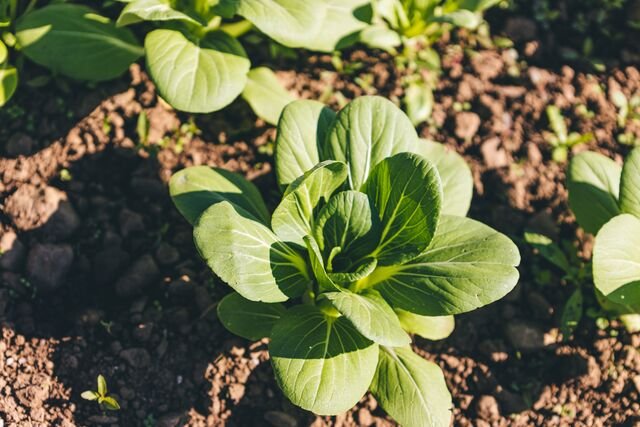
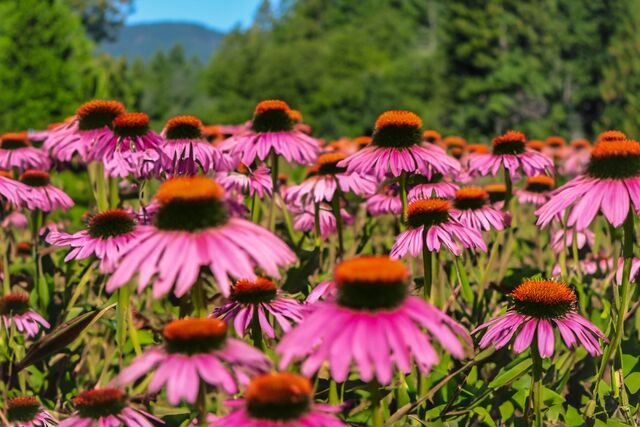
Herbs may include rosemary, nettle, echinacea, tulsi, elder, etc. Vegetables may include kale, peas, onions, lettuce, bok choy, etc.
Deep Nature Connection Practices
Throughout the course, we will overlay practical skills with guided discussions and practices that allow us to explore some of the depths of the human-nature relationship. Topics and practices will include how to authentically practice ceremony and ritual, land acknowledgments, cultivating sovereignty, building a resilient mindset, sit spot, and plant meditations.
Day at a Glance
8a Breakfast
9a Farm walk discussing organic and regenerative practices for small-scale farms and home gardens
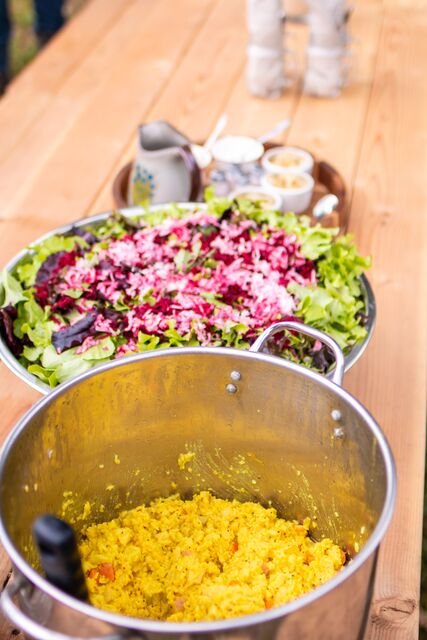
12:30p Lunch (prepared by in house chef incorporating ingredients grown on the farm)
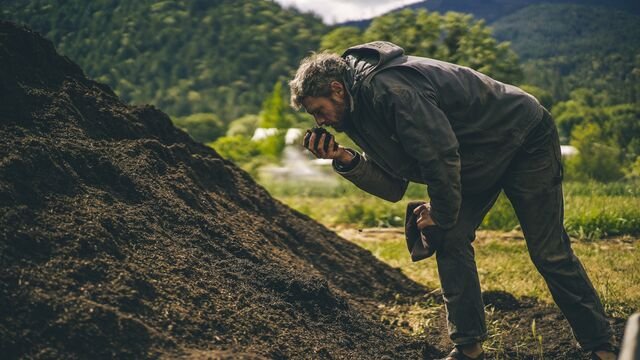
1:30p Composting practices and making multiple Korean Natural Farming preparations
4:30p Tea break
6p Dinner (prepared by in house chef incorporating ingredients grown on the farm)
7p Discussion around cultivating resilience and the human-nature relationship

Meet the Faculty
-

Ali Mramor
Faculty and Education Coordinator
-
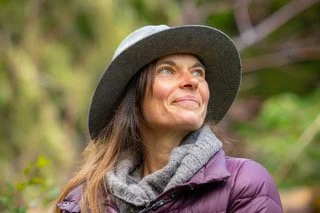
Cassidy Acacia
Faculty
-

Jeff Harris
Faculty
-
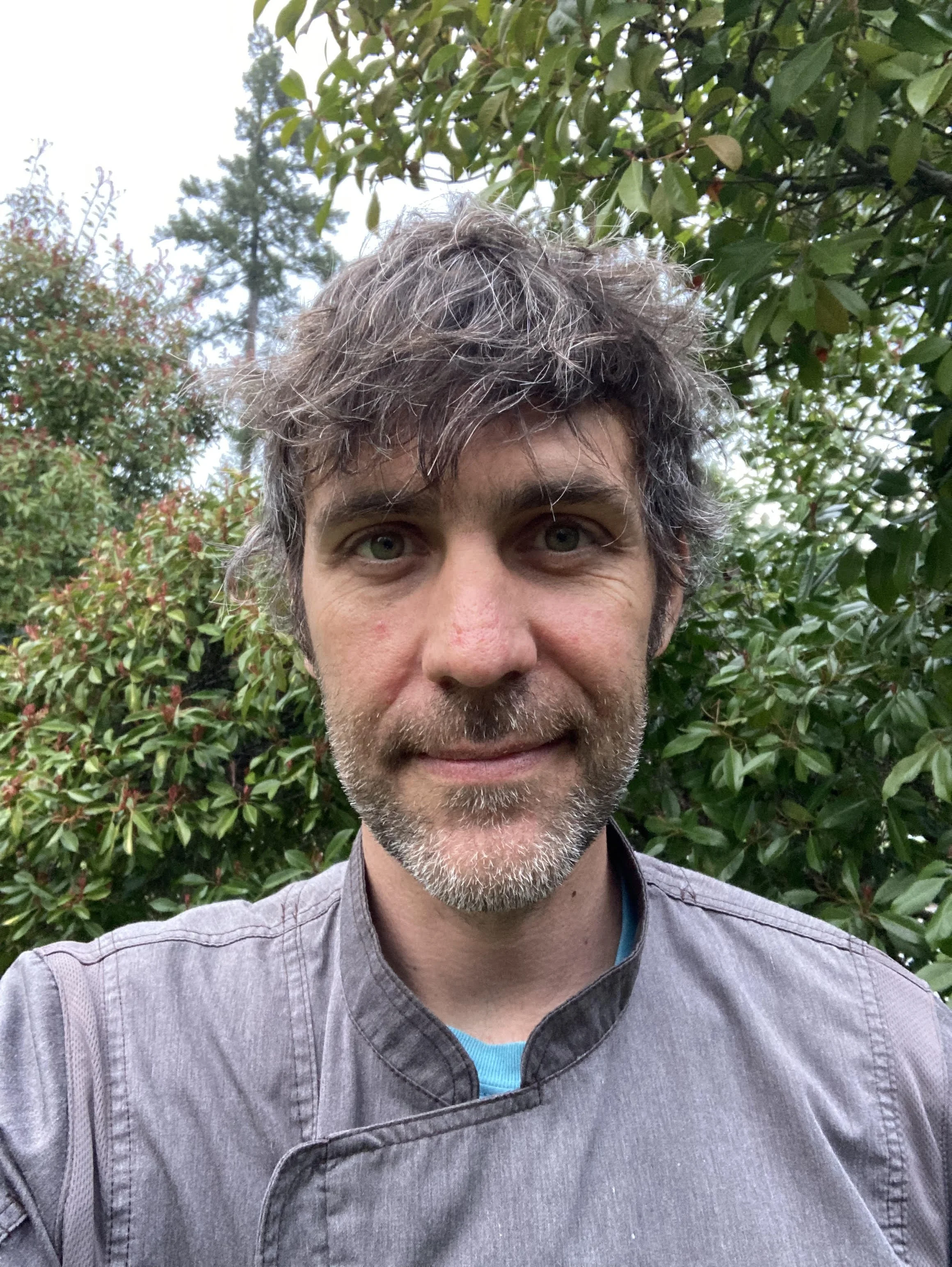
Matthew Allen
Chef and Faculty
-

Mika Conway
Faculty
-

Tommy Redding
Faculty
-

Tyler Wauters
Faculty
-

Valerie Higgins
Faculty
-
Ali comes from a varied background ranging from farming, gardening, and herbalism, to yoga and martial arts, to social justice, community organizing and facilitation that spans over 25 years and several continents. She has a passion for the interconnection of people and plants and the wellbeing of both.
Ali grew up in Ohio and earned her Bachelor of Philosophy in Interdisciplinary Studies from the Western College Program at Miami University, where she worked on her first organic farm. She went on to organize around social justice in Cincinnati while working with youth in urban gardens and helping to open a hip hop youth arts center. After suffering from activism burnout, Ali moved to California where she deepened her yoga, martial arts, and natural healing studies. Her herbalism background includes Ayurvedic as well as Traditional Chinese and Western herbalism, studying with the East West School of Planetary Herbology.
She is very grateful to now be at Banyan Farm which encompasses so many of her interests and passions. Ali is also grateful and excited to have the opportunity to witness to the inevitable growth of the LAI interns and BAI students alongside the continued growth of Banyan Farm.
-
Cassidy Acacia is a yoga teacher, wilderness guide, herbalist and naturalist. She devotes her life to facilitating transformative experiences for her fellow humans via the somatic arts, nature connection, ancestral skills, and listening deeply to the wild and mysterious nature that resides within all beings.
For over two decades Cassidy has been immersed in leading groups, traversing wild landscapes and tending the land via homesteading, wildcrafting and farming. She brings a sense of humor, earthiness, and clarity to her teachings as well as deep reverence for the land, her teachers and all of the wisdom keepers who have come before her. She has served as core faculty for the Living Ayurveda Internship since its inception in 2020.
-
Jeff is the Lead Formulator and lab guru for new product development at Banyan Botanicals. He is a naturalist, botanist, and alchemical seeker. He has worked and been trained under the guidance of Sajah Popham and completed the herbal field studies program at The Hawthorn Institute in 2019.
He has been on the pursuit of botanical and fungal studies for almost the last 2 decades. He has been exploring the myriad of ways to work and interact with the natural world professionally and as a lifestyle. His breadth of wisdom and experience range from a Bachelor’s degree in Botany, entheogenic spiritual studies, western herbalism, yoga, Ayurveda, natural foods and produce, gardening, permaculture, landscaping, developing a food business and most recently pursuing the alchemical arts and medicine crafting.
Jeff is fascinated about the creation, transformation and preservation of plant and fungal medicine and continues to learn about modern extraction technology while remembering sacred traditions.
-
Matthew loved cooking from an early age, delighting in preparing meals for family and friends and hosting dinner parties. He always enjoyed learning new cooking methods and using ingredients beyond the realm of the Standard American Diet that pervaded his upbringing. Shortly after he moved away from home for college he discovered that high quality organic ingredients not only had much better flavor, but they were also more nourishing than the industrial foods he had grown up eating. His culinary journey was further influenced by a deep practice and study of Qigong, including principles of Traditional Chinese Medicine, which explained that the energetic qualities of various foods combined with the chef's intentions could produce healing effects in every meal.
Employing creative ways to transform vegetables into delicious fare to nurture the body and soul became his passion. In order to get as close to the source of human nourishment as possible and ensure access to the highest quality ingredients, he became an avid gardener and loves to cultivate plants with organic and regenerative practices. A self-taught private chef, he mostly splits his time between growing wholesome foods and preparing delicious meals for the Southern Oregon community.
-
-
Tommy Redding is a dirt worshipper, naturalist, educator, and farmer.
Tommy has been growing food and medicine in the Williams area for the past 10 years, and for the past 7 years has worked closely with new farmers to train the next generation of homesteaders and food producers. He is passionate about strengthening local food systems, building soil, and the connections between the plants of the farm and the wild plants of our surrounding bioregion. Tommy finds daily inspiration in the personal transformation that he has seen take place in the garden and seeks to support others in creating a deeper connection with their bodies and the source of their sustenance.
-
Tyler is the Plant Education Director at Banyan Botanicals, a place-based herbalist, Ayurvedic practitioner, and founder of Hawthorn Institute.
Tyler has devoted his life to the practice of bioregional Ayurveda and community herbalism. He brings his passion and knowledge of nature into everything he shares. Tyler’s intention is to ignite deeper connections to place, people, and plants.
Tyler has studied with Vasant Lad, MASc, Dr. Claudia Welch, Sonia Masocco, Isla Burgess, 7song, and Frank Cook. He thanks all of his mentors for sharing life’s wisdom.
-
Valerie currently works as the administrator for Banyan Farm and before that spent two years in the field as a farm tender alongside the intern groups. She loves being able to help students and interns find what excites them about healing and the natural world. She is originally from Wisconsin and spent much of her life moving along the West Coast before settling down in Southern Oregon. She has now been in the Applegate Valley for 7 years.
Valerie has an Environmental Sciences B.S. degree from U.C. Santa Barbara. She continued on to study Western Herbalism at the California School of Herbal Studies and also received her certification for Clinical Herbalism from Hawthorn Institute. Valerie also spent several years co-operating Rogue Herbalism, a local non-profit pop-up herbal clinic. She has spent much of her adult life studying plant medicines and working on farms from California to Alaska.
Valerie is inspired to help make herbalism accessible to everyone and enjoys helping people find ways to bring more plant medicines into their kitchens and homes. She loves having a good laugh, sharing stories with friends, and learning from the world around her—including all of you lovely people who travel from far and wide to visit us at the farm! The intern program is very special and Valerie is honored to share in the journey with you.
What Past Banyan Farm Program Participants Are Saying
-
"If you have found out about this program and feel called, just do it! I can't speak highly enough about the educators, farm crew, and staff—not to mention the land itself! This is a once in a lifetime experience where you can live with like-minded folks, support one another, grow and learn on a farm, in one of the most beautiful places in the United States."
— Trisha Koons, 2023 Living Ayurveda Intern
-
"The teachers were amazing, both in what they know and how they embody what they know. The house is beautiful, and the land is abundant. I was so impressed with the care, intention, knowledge, and heart put into [the program]. My nervous system felt restored by the experience, my mind inspired, my heart expanded, and my relationship with the earth and the elements deeper than ever."
— Charmagne Derichs, 2022 Living Ayurveda Intern
-
"If you want to actually DO the things you've dreamed of doing; if you want to emerge strong, capable, proud, and confident: this is the program for you. Know that the trajectory of your life WILL change after this program. In the best possible way. In a way you couldn't have imagined."
— Seema Gupta, 2022 Living Ayurveda Intern
Prerequisites
Have a strong passion for gardening and herbalism.
Cost
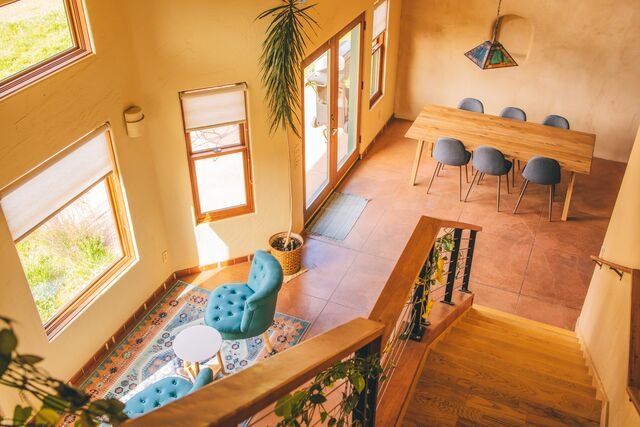
Tuition is $2,800, which includes 75 hours of education, 3 meals daily (breakfast ingredients provided; lunch and dinner prepared), and shared accommodation in a beautiful straw bale home. Discounted tuition is available for early bird registrations and campers—see application for more details. Please note that camping spots are limited and first come, first served; inquire for availability.
Participants are responsible for their own transportation to and from Banyan Farm. We strongly recommend participants have health insurance or set aside an emergency medical fund for the duration of the program.
How to Apply
The Land-Based Resiliency Course is not being offered at this time. Interested in a future offering of this course? Write to education@banyanfarm.com.